Sustainibility
Sustainability
Leading the way in eco-friendly manufacturing
About Divine Group Ltd
Divine Group Ltd. is a forward-thinking textile and apparel manufacturing group committed to responsible manufacturing, environmental sustainability, social compliance, and long-term business growth. The Group integrates sustainability into its manufacturing operations, supply chain management, workplace practices, and overall business strategy to promote responsible and sustainable development.
Through continuous investment in advanced technologies, resource efficiency, environmental management, and employee development, Divine Group strives to minimize its environmental footprint, optimize the use of natural resources, and ensure safe, responsible, and resilient manufacturing operations.
The Group works with leading international buyers and brands, including M&S, Lindex, IDKids, Kappahl, NEXT, UNIQLO, Hummel, Beaumanoir, and TAO etc while maintaining a strong commitment to internationally recognized environmental, sustainability standards. Through these ongoing efforts, Divine Group aims to create long-term value for its stakeholders and contribute to a more sustainable textile and apparel industry.
Sustainability Report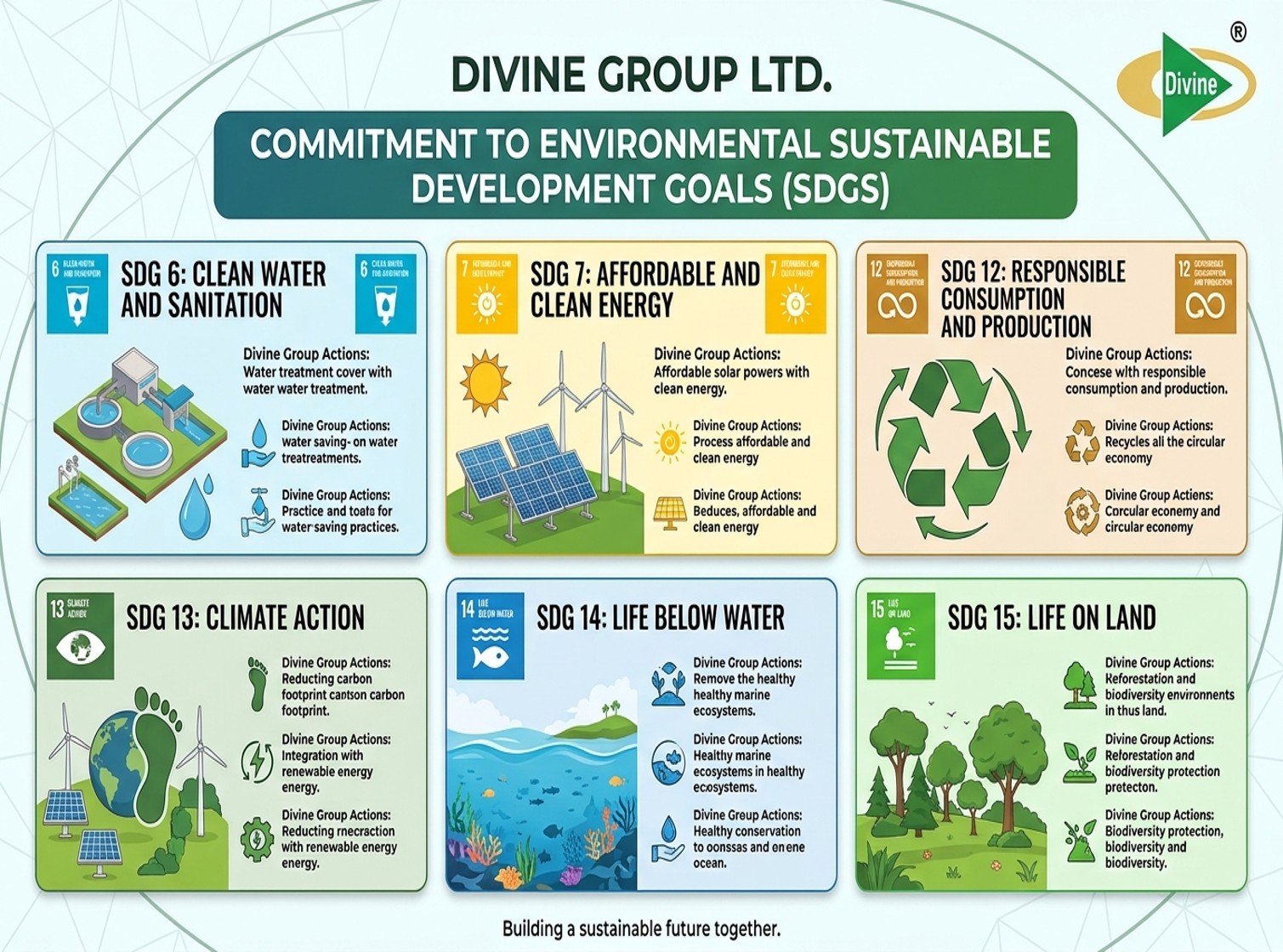
Our Sustainability Commitment
Sustainability is an integral part of Divine Group's business strategy. The Group is working toward reducing its environmental impact while improving operational efficiency and maintaining high standards of social responsibility.
Our sustainability approach focuses on five key areas:
- Climate & Energy
- Water Management
- Wastewater Management and Treatment
- Chemical & Environmental Management
- Waste & Recycling
- Environmental Certifications
Climate Action & Energy Management
Divine Group Ltd. recognizes climate change as one of the major challenges facing the textile and apparel manufacturing industry. In response, the Group is implementing a structured approach to measuring, monitoring, and reducing greenhouse gas (GHG) emissions across its manufacturing operations.
The Group has established ambitious climate targets, including a long-term Net Zero target by 2050 and an interim objective of achieving a 50% reduction in carbon emissions by 2030. These commitments reflect Divine Group’s ongoing efforts to transition toward a low-carbon, resource-efficient, and environmentally responsible manufacturing model.
Key Action Initiatives
- Regular monitoring and reporting of Scope 1 and Scope 2 greenhouse gas emissions to track progress toward climate targets.
- Preparation of annual GHG inventories and third-party verification to ensure data accuracy and transparency.
- Implementation of energy-efficiency projects across manufacturing facilities to reduce energy consumption and associated emissions.
- Installation and optimization of servo motors and energy-efficient equipment to improve operational performance and reduce electricity consumption.
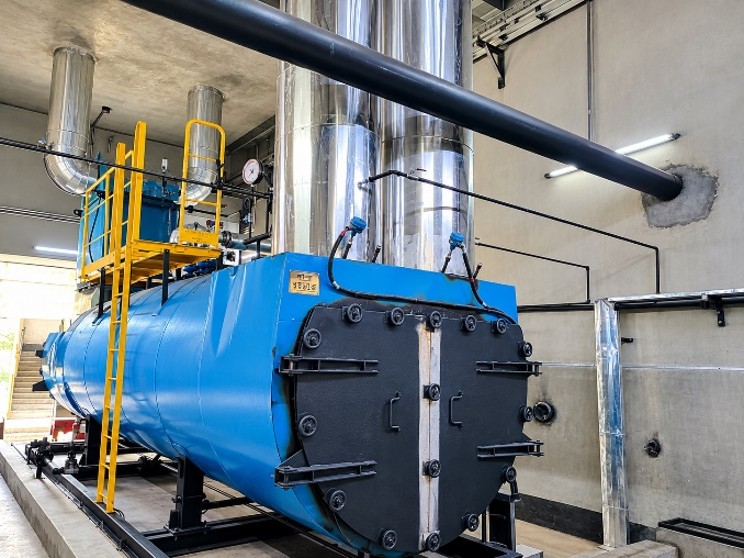
- Installation of economizer (EGB) boilers and energy recovery systems to improve thermal efficiency and reduce fuel consumption.
- Expansion of renewable energy initiatives to reduce dependence on conventional electricity and fossil fuels.
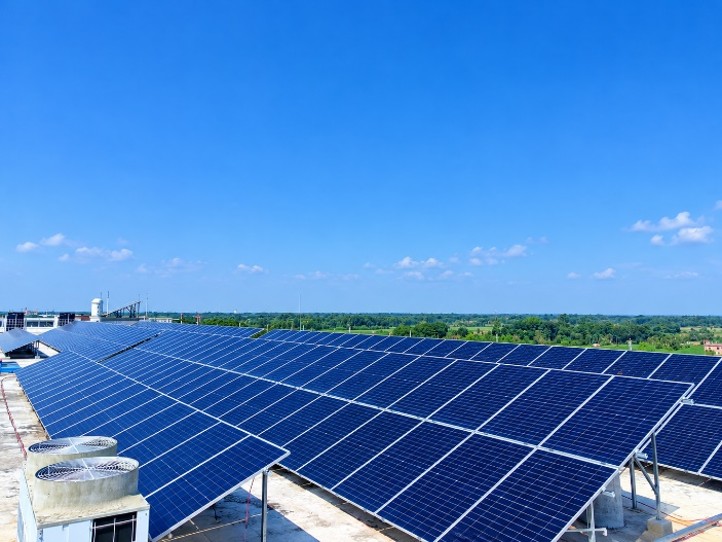
- The Group has already installed a 1.6 MWp solar power system across its facilities and plans to install an additional 3 MWp solar power system to further increase its renewable energy capacity.
- The Group operates a LEED-certified factory, reflecting its commitment to resource efficiency and sustainable building practices.
- Exploration of renewable electricity procurement opportunities, including the use of International Renewable Energy Certificates (I-REC) to support renewable electricity sourcing and emissions reduction efforts.
- Continuous monitoring and analysis of energy consumption through digital data-management systems to identify improvement opportunities.
- Plans to install a biomass-fired boiler to promote sustainable energy use and reduce reliance on conventional fossil fuels, subject to appropriate environmental and operational assessments.
Through these initiatives, Divine Group Ltd. continues to strengthen its climate action strategy, improve energy performance, and accelerate its transition toward low-carbon manufacturing. The Group aims to reduce greenhouse gas emissions, increase the share of renewable energy in its operations, and achieve its long-term decarbonization objective while supporting a more sustainable textile and apparel industry.
Water Management:
Divine Group Ltd. is committed to responsible water management and improving water-use efficiency across its textile and apparel manufacturing facilities. The Group has set a target to reduce overall water consumption by 20% by 2030 through technological improvements and operational efficiency.
Key Initiatives Include:
- Regular monitoring and mapping of water consumption across production processes.
- Installation and optimization of water-efficient machinery.
- Adoption of low-liquor-ratio dyeing technology.
- Recovery and reuse of hot water to reduce freshwater consumption.
- Planned installation of a rainwater harvesting system.
- Continuous improvement of water-use efficiency through process optimization and measurable reduction targets.
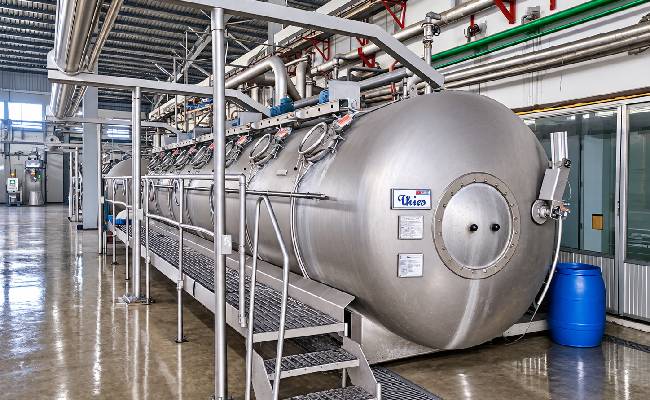
Through these initiatives, Divine Group aims to conserve water resources and promote sustainable manufacturing practices. Hot water recovery plant
Wastewater Management and Treatment
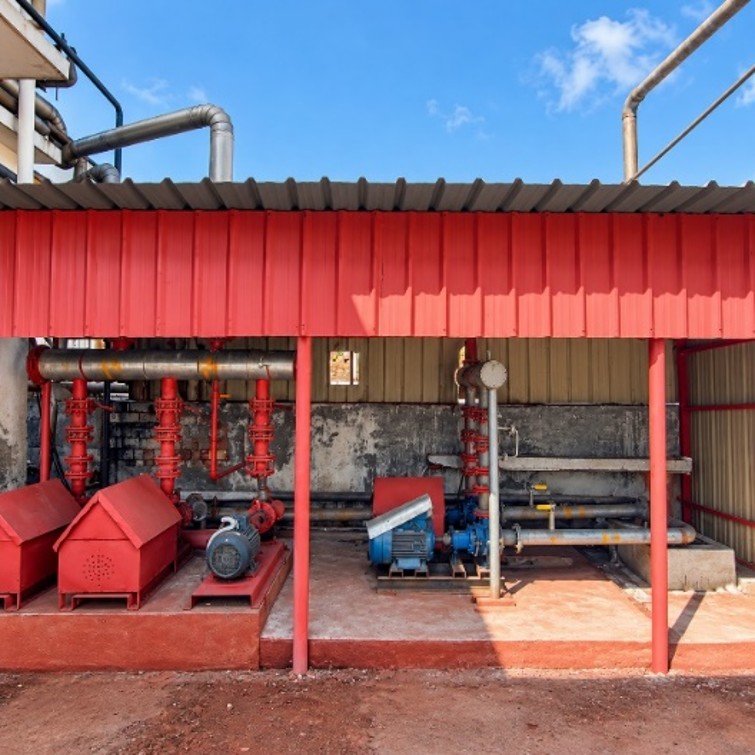
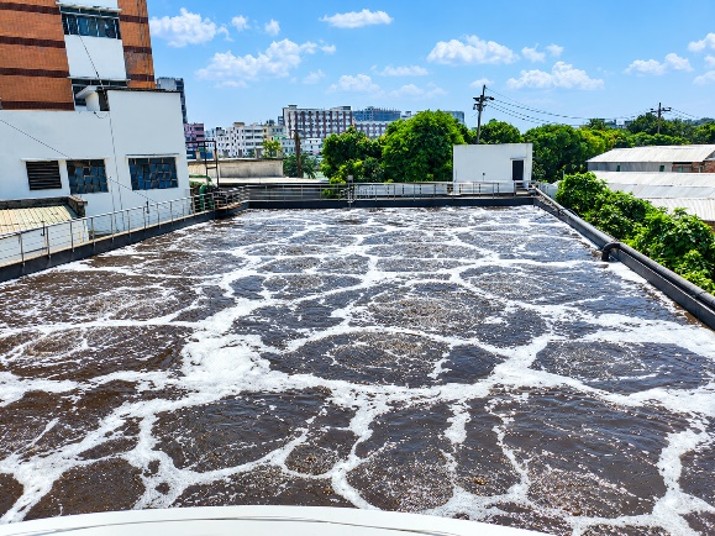
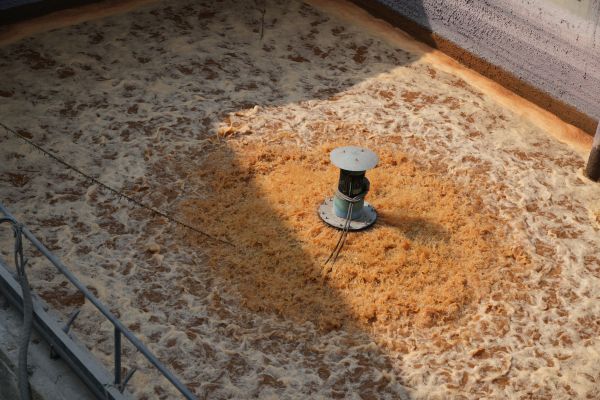
Divine Group Ltd. is committed to responsible wastewater management through effective treatment, regular monitoring, and compliance with applicable environmental regulations and international buyer requirements.
Key Initiatives Include:
- Operation and monitoring of Effluent Treatment Plants (ETPs).
- Daily monitoring of key wastewater quality parameters.
- Regular laboratory analysis and monthly third-party wastewater testing.
- Periodic testing in accordance with regulatory and buyer requirements.
- ZDHC-aligned wastewater and sludge testing.
- Responsible management and disposal of treatment sludge through appropriate channels.
- Continuous improvement of ETP performance and treatment efficiency.
Through these initiatives, Divine Group strives to minimize environmental impacts, maintain wastewater quality, and promote responsible water management across its manufacturing facilities.
Responsible Chemical Management
Divine Group Ltd. considers responsible chemical management a key component of its sustainability strategy. The Group promotes the use of ZDHC-compliant and bluesign®-approved chemicals, where applicable, and implements responsible practices throughout chemical procurement, storage, handling, production, and disposal.
Key Initiatives Include:
- Maintaining updated chemical inventories and Safety Data Sheets (SDS/MSDS).
- Ensuring proper chemical storage, secondary containment, GHS labeling, and appropriate personal protective equipment (PPE).
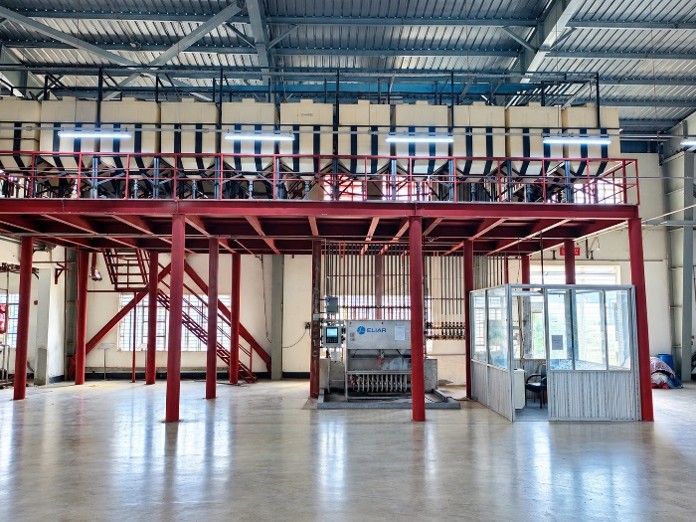
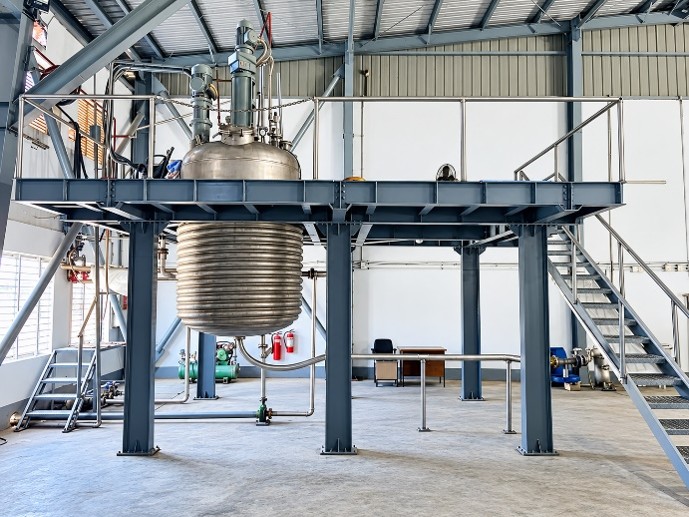
- Using dedicated reactors for controlled chemical mixing.
- Utilizing automatic chemical dispensing machines to improve dosing accuracy, minimize chemical wastage, and support efficient chemical use in production.
- Monitoring compliance with Restricted Substances Lists (RSL) and Manufacturing Restricted Substances Lists (MRSL).
- Using Bhive, ZDHC Gateway, ZDHC Supplier to Zero, and InCheck reports to support sustainable chemical management.
- Conducting regular environmental and chemical management audits to drive continuous improvement.
- Providing chemical safety training and awareness programs for employees.
- Engaging suppliers to improve chemical transparency and regulatory and customer compliance.
Through these initiatives, Divine Group aims to reduce chemical wastage, minimize environmental and occupational risks, and promote safer, more efficient, and sustainable manufacturing operations.
Waste Management & Circularity
Divine Group Ltd. is committed to minimizing waste generation, promoting resource efficiency, and advancing circular economy practices across its manufacturing facilities. The Group has set a target to reduce overall waste generation by 20% by 2030, guided by the principles of Reduce, Reuse, Recover, and Recycle.
Key Initiatives Include:
- Segregating waste at source and monitoring production and non-production waste.
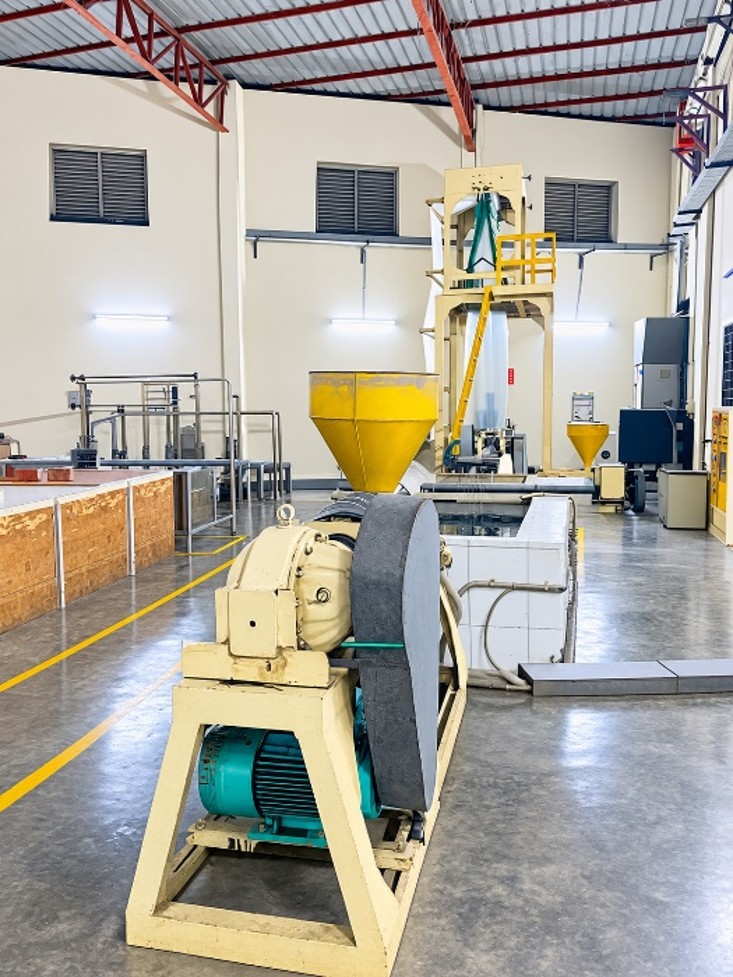
- Recycling approximately 95% of poly waste through the Group’s poly recycling plant.
- Promoting textile waste recovery and recycling.
- Ensuring proper handling and disposal of hazardous and chemical-related waste.
- Agreement with an authorized brick manufacturer to reuse ETP sludge in building material production, subject to applicable requirements.
- Agreement with a specialized service provider for the safe disposal of medical waste.
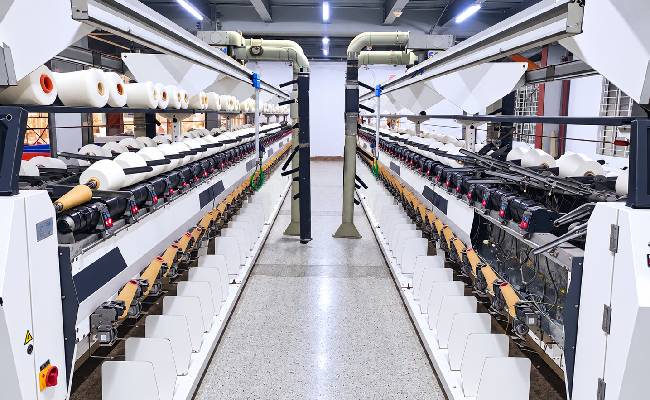
- Reusing yarn cones in production processes to reduce material waste.
- Increasing the use of recycled materials wherever technically and commercially feasible.
Through these initiatives, Divine Group aims to reduce waste generation, conserve valuable resources, and strengthen sustainable manufacturing and circularity practices
Environmental Certifications
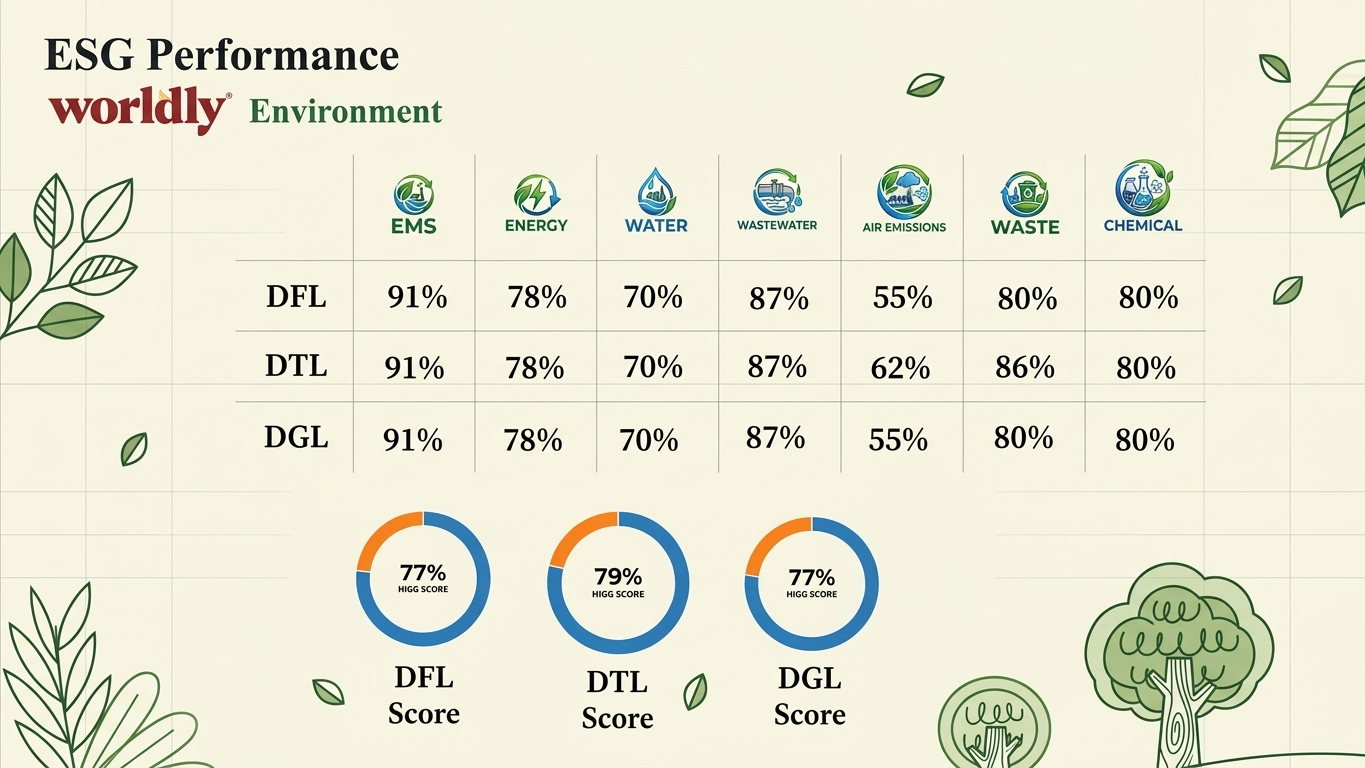
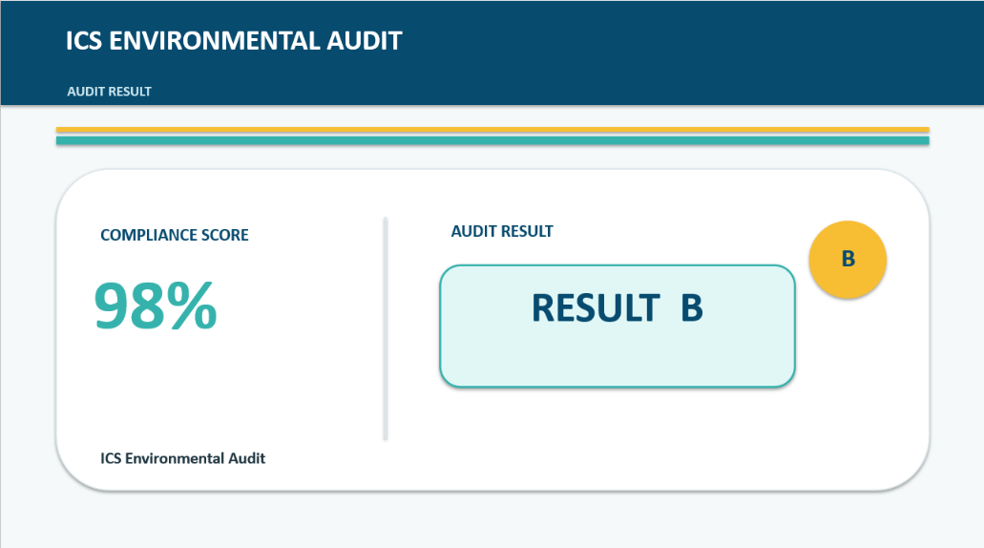
Divine Group actively engages in internationally recognized environmental and sustainability programs to enhance its environmental performance, promote responsible business practices, and ensure greater transparency across its operations. The Group’s sustainability initiatives and certifications include Worldly, ICS Environmental Audit, ZDHC Gateway, Clear Stream Report, InCheck Report, Supplier to Zero Certificate, OEKO-TEX® Certification, GOTS and LEED Certification. Through these initiatives, Divine Group continues to strengthen its environmental management practices, improve chemical management, monitor environmental performance, and promote resource efficiency in alignment with internationally recognized standards and industry best practices.
Divine Group's vision is to become a responsible, resource-efficient, climate-conscious, and socially responsible manufacturing group that creates long-term value for customers, employees, communities, and the environment. The Group believes that sustainability is not a standalone initiative but an ongoing journey that requires collaboration, innovation, accountability, and continuous improvement.
Certifications
Credentials That Back Every Promise